RFID and RFID Labels: the definitive technical guide to deploy industrial RFID technology with maximum efficiency
RFID (Radio Frequency Identification) and the RFID label have become strategic pillars for industrial digitization, logistics automation, and advanced traceability. RFID technology enables identification, localization, and real-time asset management without contact or line of sight, unlocking levels of operational control that traditional systems cannot achieve.
In an industrial environment where margins depend on efficiency, visibility, and error reduction, industrial RFID solutions are no longer an experimental option: they are critical infrastructure.
This content develops, with technical depth and a strategic approach, everything a B2B decision-maker must know to correctly design, select, and deploy scalable, profitable RFID systems.
INTRODUCTION: WHAT RFID IS AND WHY THE RFID LABEL IS KEY IN INDUSTRIAL ENVIRONMENTS
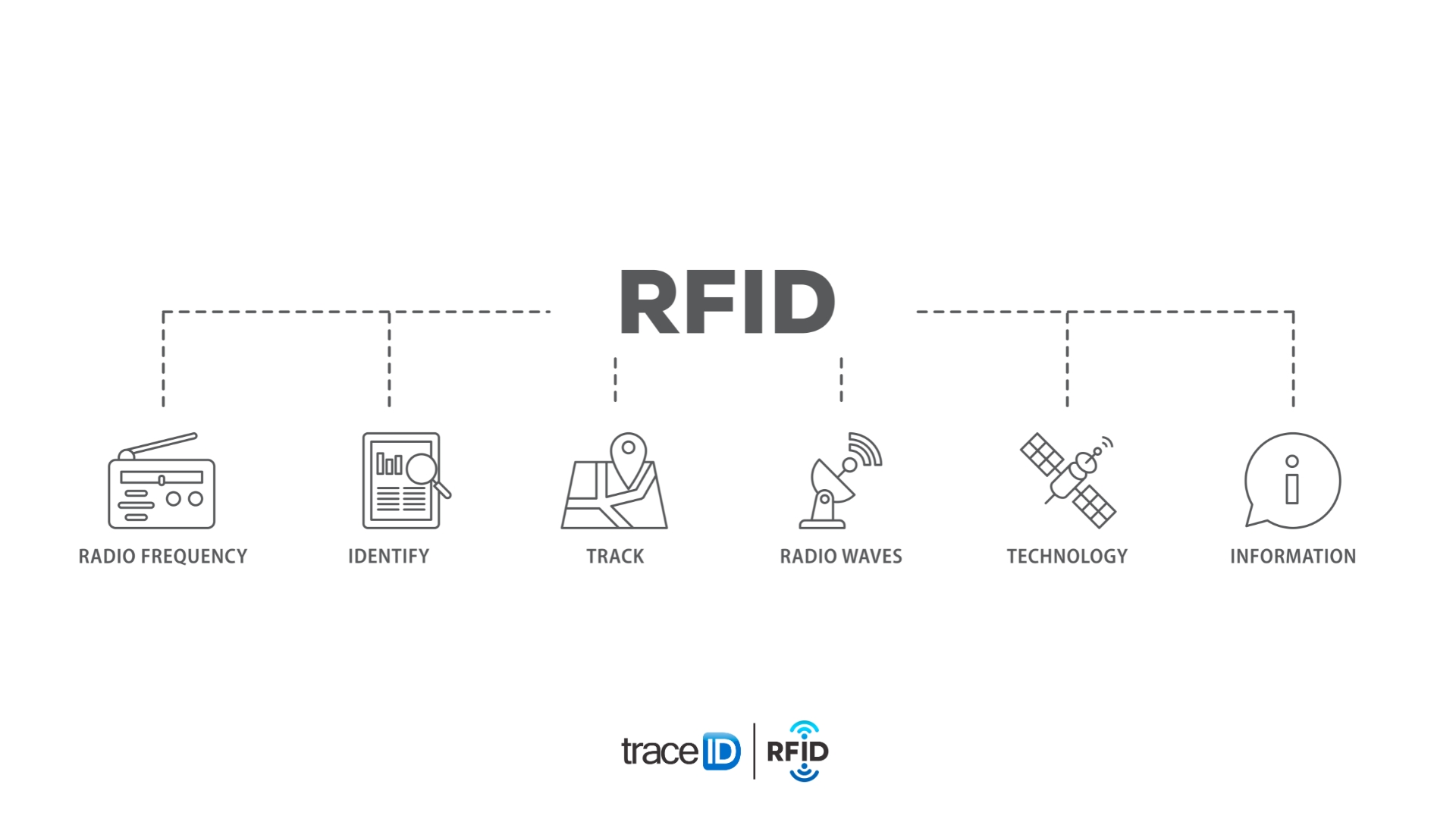
RFID is an identification technology that uses electromagnetic waves to transfer data between an RFID tag and an RFID reader. Unlike barcodes, it does not require individual scanning or direct visual contact.
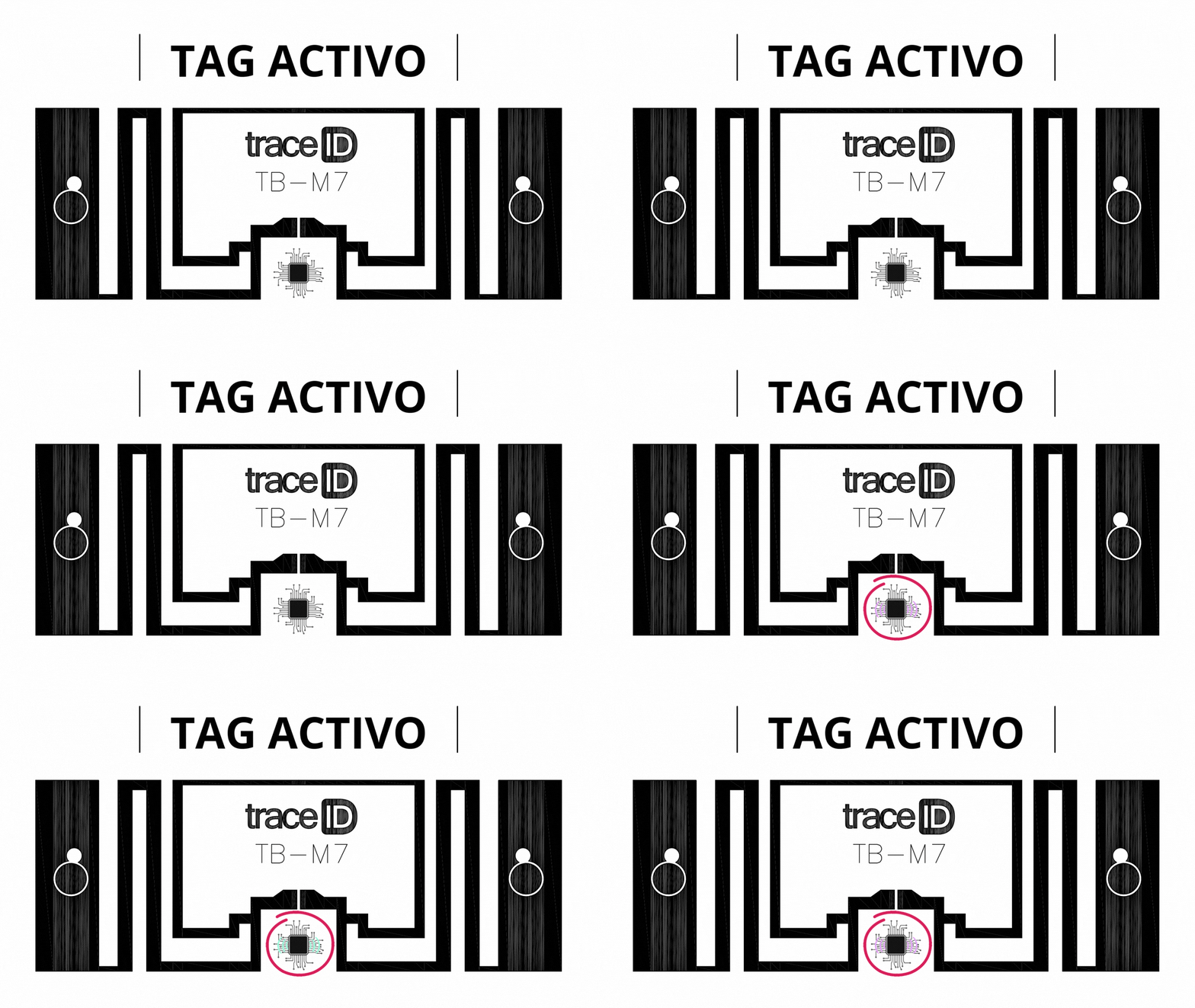
The RFID label is the physical element that contains the microchip and antenna that make this communication possible. It is the bridge between the physical world and the digital system.
In industrial environments, RFID solves structural problems such as:
- •Inaccurate inventories.
- •Asset loss.
- •Manual errors.
- •Lack of traceability.
- •Warehouse inefficiency.
- •Disconnection between operations and ERP.
When designed correctly, RFID traceability enables industrial automation with RFID, reduced working capital tied up, and improved operating margins.
DEEP TECHNICAL FUNDAMENTALS
What is RFID and how does it really work?
RFID is a system composed of:
- •RFID label (RFID tag)
- •RFID readers
- •RFID antennas
- •Middleware
- •Management system (ERP, WMS, MES)
The reader emits a radio signal. The tag responds through a phenomenon known as backscatter, modulating the received signal and returning information.
Radiofrequency physics applied to RFID
RFID operates in electromagnetic fields that vary by frequency:
- •Near field (LF and HF)
- •Far field (UHF)
Behavior around metal, liquids, and energy absorption depends directly on this physics.
Therefore, RFID label selection must consider the real application surface.
Backscatter principle
In UHF RFID, the tag does not “generate” its own energy (in passive systems) but reflects the reader’s signal while modifying it. This principle enables:
- •Low power consumption.
- •Long service life.
- •Lower costs in passive RFID.
System components
RFID label
Data carrier element.
RFID readers
Devices that generate the electromagnetic field.
RFID antennas
They define the read pattern and coverage zone.
Middleware
Filters events and communicates with ERP.
EPC Gen2 protocols
EPC Class 1 Gen 2 (ISO 18000-63) is the dominant UHF RFID protocol. It enables:
- •Simultaneous bulk reading.
- •Anti-collision.
- •Password-based security.
- •Programmable writing.
RFID frequencies: LF, HF, UHF
| Frequency | Range | Advantages | Applications |
|---|---|---|---|
| LF (125–134 kHz) | Short | Resistant to interference | Heavy industry |
| HF (13.56 MHz) | Medium-short | Stable around liquids | Pharma |
| UHF (860–960 MHz) | Medium-long | Bulk reading | Logistics, retail |
UHF RFID is the predominant standard in industrial automation.
European regulations
- •ETSI EN 302 208 (UHF)
- •ISO 18000
- •EPCglobal
Compliance ensures interoperability and legality.
Anatomy of an RFID label
Chip
Defines sensitivity, memory, and security.
Antenna
Defines range and stability.
Substrate
Structural base (PET, paper, technical polymers).
Encapsulation
Protection against impacts, chemicals, or moisture.
Materials
From flexible inlays to ABS or PEEK housings for high temperature.
Industrial durability
There are labels capable of withstanding:
- •200°C
- •Industrial washing
- •Chemical environments
- •Long-term outdoor use
RFID LABEL TYPES IN DEPTH
Technical comparison table
| Type | Range | Environment | Cost | Service life |
|---|---|---|---|---|
| Passive UHF | 5–15 m | Logistics | Low | High |
| Active | >50 m | RTLS | High | Medium |
| On-metal | 3–10 m | Metal surface | Medium | High |
| High temperature | Variable | >200°C | Medium-high | High |
OPERATIONAL ADVANTAGES AND ROI
RFID vs Barcode
| Factor | Barcode | RFID |
|---|---|---|
| Line of sight | Yes | No |
| Bulk reading | No | Yes |
| Automation | Limited | Full |
Productivity
Inventories that require 8 manual hours can be reduced to minutes.
Error reduction
Reduction in human errors up to 80–95%.
Automatic inventories
Simultaneous reading of hundreds of labels.
Impact on operating margin
- •Reduced shrink.
- •Lower tied-up capital.
- •Improved product availability.
Example:
A 10% improvement in inventory accuracy can directly generate a 3–5% sales increase in retail.
STRATEGIC RFID IMPLEMENTATION
How to design an industrial RFID project
Common mistakes
REAL CASES AND APPLIED SCENARIOS
RFID AND THE INDUSTRIAL FUTURE
DEFINITIVE GUIDE TO CHOOSING AN RFID LABEL
Technical checklist:
FREQUENTLY ASKED QUESTIONS (FAQ)
What is an RFID label?
+
What range does UHF RFID have?
+
Does RFID replace barcodes?
+
How much does RFID implementation cost?
+
How long does a passive label last?
+
What is the difference between passive and active RFID?
+
Does RFID work on metal?
+
Is RFID secure?
+
Can it be integrated with ERP?
+
What is EPC Gen2?
+
RFID is not a tech accessory. It is industrial digital infrastructure. Correct RFID label selection determines the reliability of the entire system.
A well-designed RFID deployment enables automation, total traceability, and margin optimization.
Trace-ID develops industrial RFID solutions adapted to each operational environment, integrating engineering, real-world testing, and scalable architecture.
The right decision starts with a deep technical analysis of the environment.
Contact us for more information focused on your needs. If you wish to receive information about RFID technology, subscribe to our magazine.